Kids Are Not Small Adults
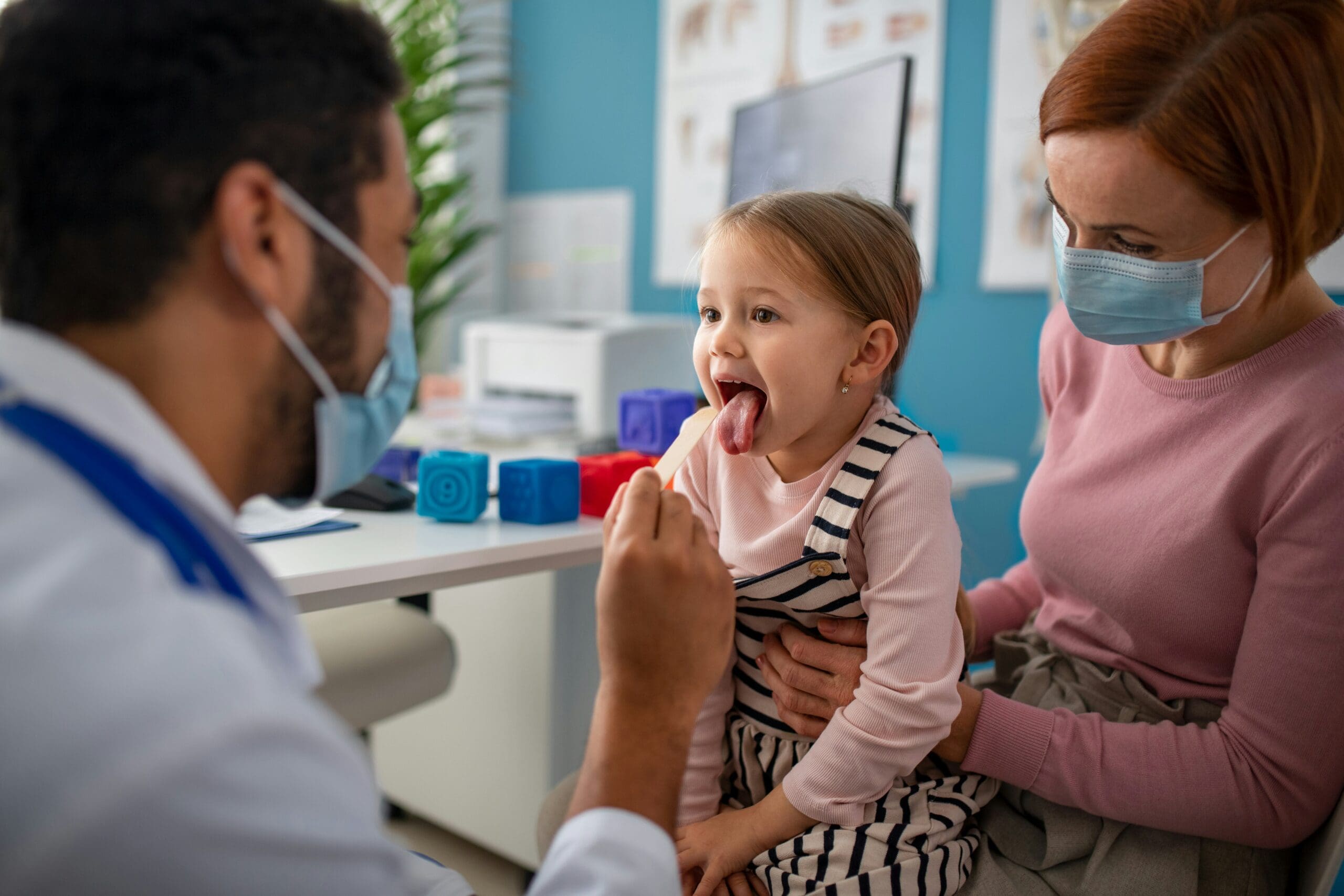
In a world where the overwhelming majority of medical research, medical care, and medical spending is tied to adults, kids are sometimes overlooked. The reminder that “kids are not small adults” is repeated often for a reason. Ensuring that kids receive the safest and most effective care requires understanding and attention to risk factors that are unique to children.
Our overall health is shaped by many factors, which are often described as the interplay between individual, interpersonal, organizational, community and public policy influences.[1]
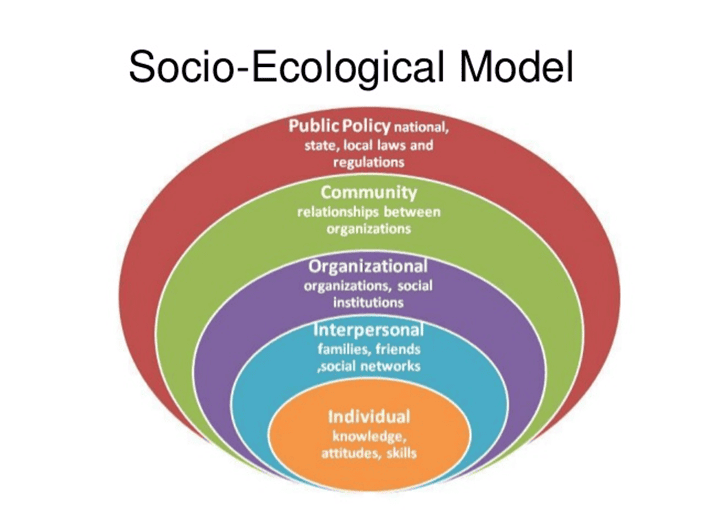
For example, public policies shape the environments in which we live; how our communities and neighborhoods are organized and what resources are available within communities. Organizations such as schools, health systems and social institutions within our community influence the social networks to which we are exposed, which in turn shape our knowledge, attitudes and beliefs. In short, our health is shaped by our genes, our behaviors and the world around us. Many health systems that are seeking to improve the health of patient populations are testing new ways to support their patients in their communities.
When this approach is applied to child populations, it must take into account the disproportionate impact that the behaviors and choices of adults have on kids’ health. For example, kids do not grocery shop. They do not choose what foods to eat or how their meals are prepared. Children do not have a say in which neighborhoods they live and cannot influence whether they are exposed to environmental toxins such as tobacco smoke and lead. Thus, efforts to improve child health outcomes must address both individual child risk factors and adult behaviors that impact child health. What can stakeholders do?
- Health systems that serve children typically understand the need to address adult behaviors that impact clinical outcomes for the child. For example, in addressing asthma management for a child who is exposed to second-hand smoke, the pediatric provider may also counsel the smoking adult on the importance of quitting in order to improve the child’s asthma. Emerging research supports the use of a “two-generation approach” to challenging issues such as childhood trauma mitigation and childhood obesity to enable sustainable improvements.
- Community organizations can work in partnership with health care providers to coordinate services for kids and families.
- Payers can collaborate with communities and health systems to realign incentives to address behaviors that impact the health of both children and adults.
- Policy makers can incorporate a child health impact assessment process prior to implementing public policies. Use of tools such as health impact assessments can illuminate potential unintended impacts of policies on child health prior to implementation and allow policy-makers to mitigate or prevent negative impacts on child health.
Genesis Health Consulting has deep experience navigating the intersection of health, health systems and policy. Learn more by contacting us at [email protected].
[1] Social Ecological Model of Health, Urie Bronfenbrenner, 1979.