

Facilitating Community-Led Change
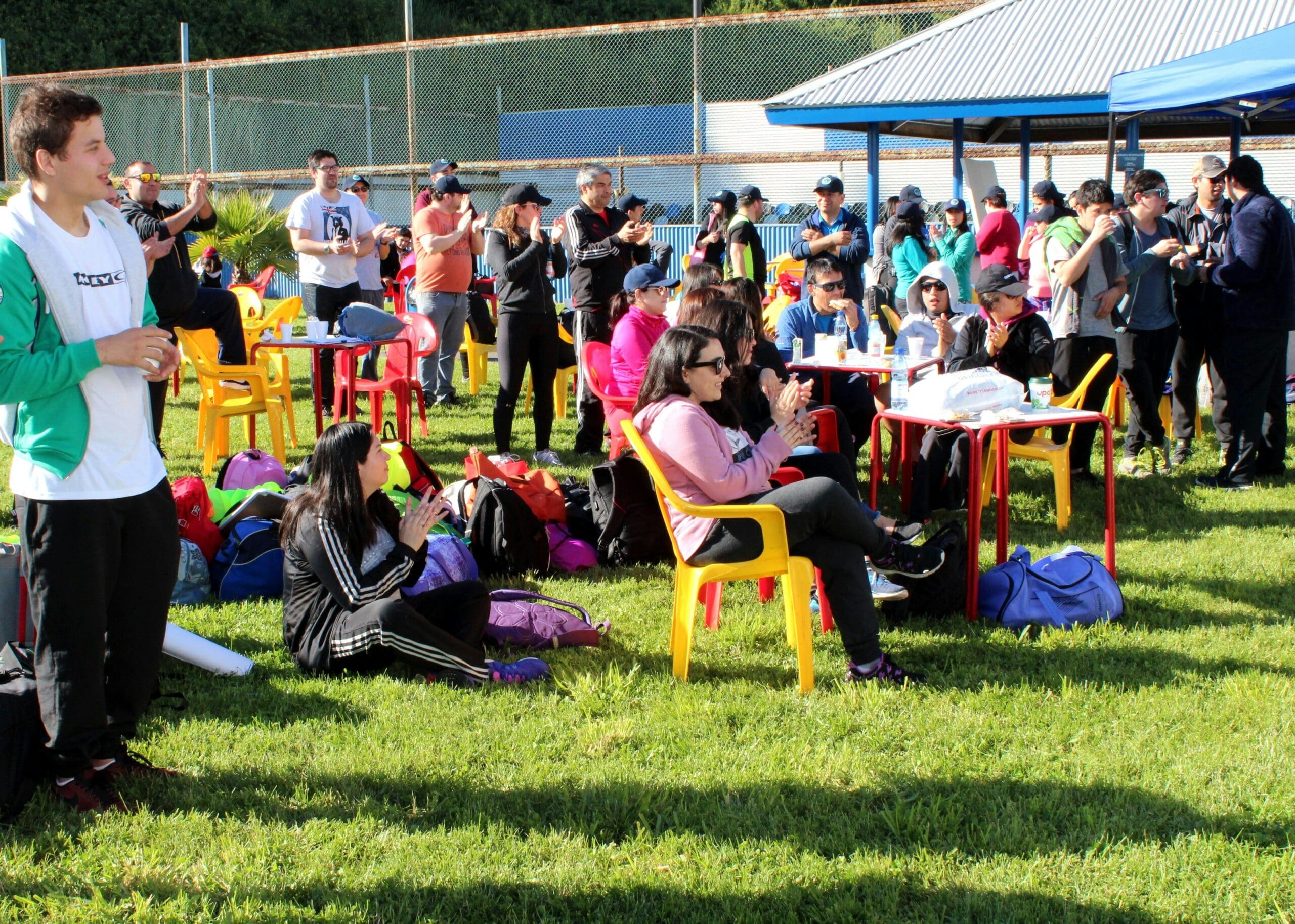
The most lasting and meaningful changes in communities are led by community residents. Nothing replaces their engagement. For health systems, payers, government leaders, or community organizations invested in improving the health of local communities, this reality can sometimes feel more like a barrier than a catalyst for change. Where does change begin if it doesn’t spring from a community benefit fund, a grant award, or a policy discussion? One approach is to use the World Café model. Developed over thirty years ago, the World Café model is a proven, prescriptive way to initiate strategic dialogue among a group of people. Read more below on the seven World Café design principles that form the World Café process.
(Excerpted from The World Café website.)
Design Principles
The following seven World Café design principles are an integrated set of ideas and practices that form the basis of the pattern embodied in the World Café process (see also the Wiser Together guiding principles for more about the World Café’s DNA)
1) Set the Context
Pay attention to why you are bringing people together and what you want to achieve. Knowing the purpose and parameters of your meeting enables you to consider and choose the most important elements to realize your goals: e.g., who should be part of the conversation, what themes or questions will be most pertinent, what sorts of harvest will be more useful, etc.
2) Create Hospitable Space
Café hosts around the world emphasize the power and importance of creating a hospitable space—one that feels safe and inviting. When people feel comfortable being themselves, they think, speak, and listen most creatively. In particular, consider how your invitation and physical setup contribute to a welcoming atmosphere.
3) Explore Questions that Matter
Knowledge emerges in response to compelling questions. Find questions that are relevant to the real-life concerns of the group. Powerful questions that “travel well” help attract collective energy, insight, and action as they move throughout a system. Depending on the timeframe available and your objectives, your Café may explore a single question or use a progressively deeper line of inquiry through several conversational rounds.
4) Encourage Everyone’s Contribution
As leaders, we increasingly recognize the importance of participation, but most people don’t just want to participate; they want to contribute to making a difference. It is important to encourage everyone in your meeting to contribute their ideas and perspectives, while also allowing anyone who wants to participate by simply listening to do so.
5) Connect Diverse Perspectives
The opportunity to move between tables, meet new people, actively contribute your thinking, and link the essence of your discoveries to ever-widening circles of thought is one of the Café’s distinguishing characteristics. As participants carry key ideas or themes to new tables, they exchange perspectives, greatly increasing the chance of surprising new insights.
6) Listen together for Patterns and Insights
Listening is a gift we give to one another. The quality of our listening is perhaps the most important factor in a Café’s success. Through practicing shared listening and paying attention to themes, patterns, and insights, we begin to sense a connection to the larger whole. Encourage people to listen for what isn’t being said, along with what is being shared.
7) Share Collective Discoveries
Conversations held at one table reflect a pattern of wholeness that connects with the conversations at the other tables. The last phase of the Café, often called the “harvest”, involves making this pattern of wholeness visible to everyone in a large group conversation. Invite a few minutes of silent reflection on the patterns, themes, and deeper questions experienced in the small-group conversations, and ask participants to share them with the larger group. Make sure you have a way to capture the harvest – working with a graphic recorder is recommended.
Genesis Health Consulting has deep experience facilitating change within systems. Contact us to learn more.


